Best time to visit Iran
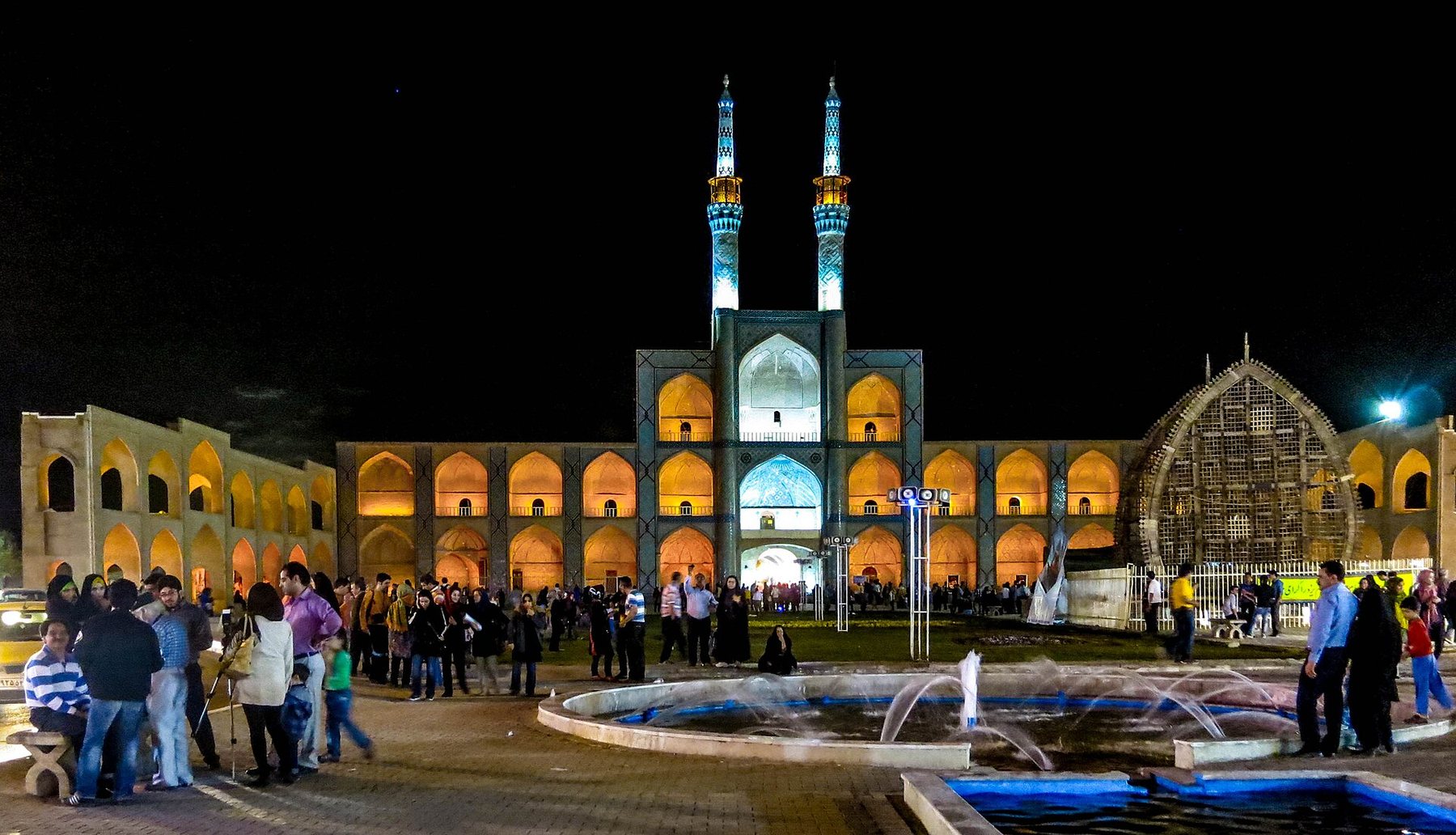
Iran has four real seasons and very different climates — snowy mountains, scorching deserts, a humid Caspian coast and the tropical Persian Gulf — so the best time depends on where you go.
Spring (late March – May): the best overall
Gardens in Shiraz and Isfahan bloom, the desert is still mild and the mountains are green. The catch is Nowruz, the Persian New Year (around 20 March to early April): it is a beautiful time to see Iranian families picnicking everywhere, but hostels fill up and transport sells out. Book ahead or come right after.
Autumn (late September – November): the other sweet spot
Warm days, cool nights and harvest season — pomegranates, dates and saffron. Ideal for the Tehran–Kashan–Isfahan–Yazd–Shiraz route and for desert nights in Khur and Garmeh.
Summer (June – August): north and mountains
The central plateau reaches 40°C and more. Instead, head for the cool green north — Rasht, Masouleh, the Alborz mountains — or Tabriz and Kurdistan. Avoid the Persian Gulf coast, which is extremely hot and humid.
Winter (December – February): islands and the south
The perfect season for Qeshm, Hormuz, Kish, Bandar Abbas and Chabahar, with pleasant 20–25°C days. Tehran, Tabriz and Hamedan can be snowy and cold, while Isfahan, Yazd and Shiraz are crisp but sunny and quiet — fewer tourists, lower prices.
Religious months
- Ramadan: restaurants open after sunset; daytime eating in public should be avoided. Travel still works well.
- Muharram (especially Tasua and Ashura): processions and mourning ceremonies are a moving cultural experience; many shops close on the main days.
Quick guide
- Classic cities: April–May, October–November.
- Desert ecolodges: October–April.
- Persian Gulf islands: November–March.
- Caspian north and mountains: May–September.
Questions & answers
Ask anything about this topic — our team answers here.
No questions yet — be the first to ask.