Dress code and etiquette in Iran
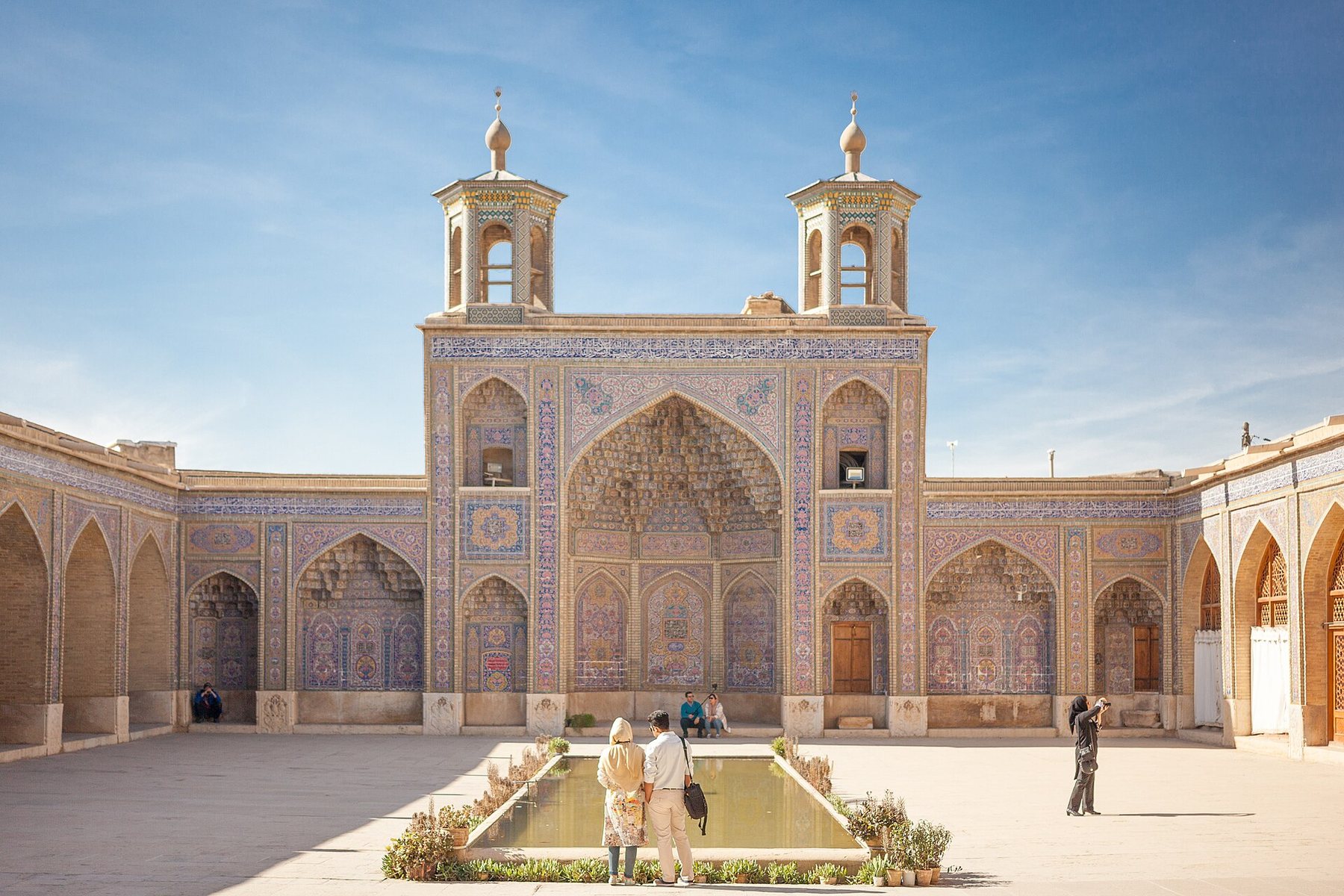
Iranians are famous for their hospitality, and a few simple habits will make you a welcome guest everywhere.
What to wear — women
- By law women must cover their hair in public. A loose scarf worn back on the head is how many Iranian women do it in big cities; in practice enforcement has relaxed, but carry a scarf at all times.
- Wear loose clothing that covers arms and legs: long-sleeved tops reaching the hips, trousers or long skirts.
- Some holy shrines (Mashhad, Qom, Shah Cheragh in Shiraz) require a chador, which is lent free at the entrance.
What to wear — men
Long trousers are expected in public; shorts are only for the beach on islands like Kish and Qeshm, or for sports. T-shirts are fine.
Taarof
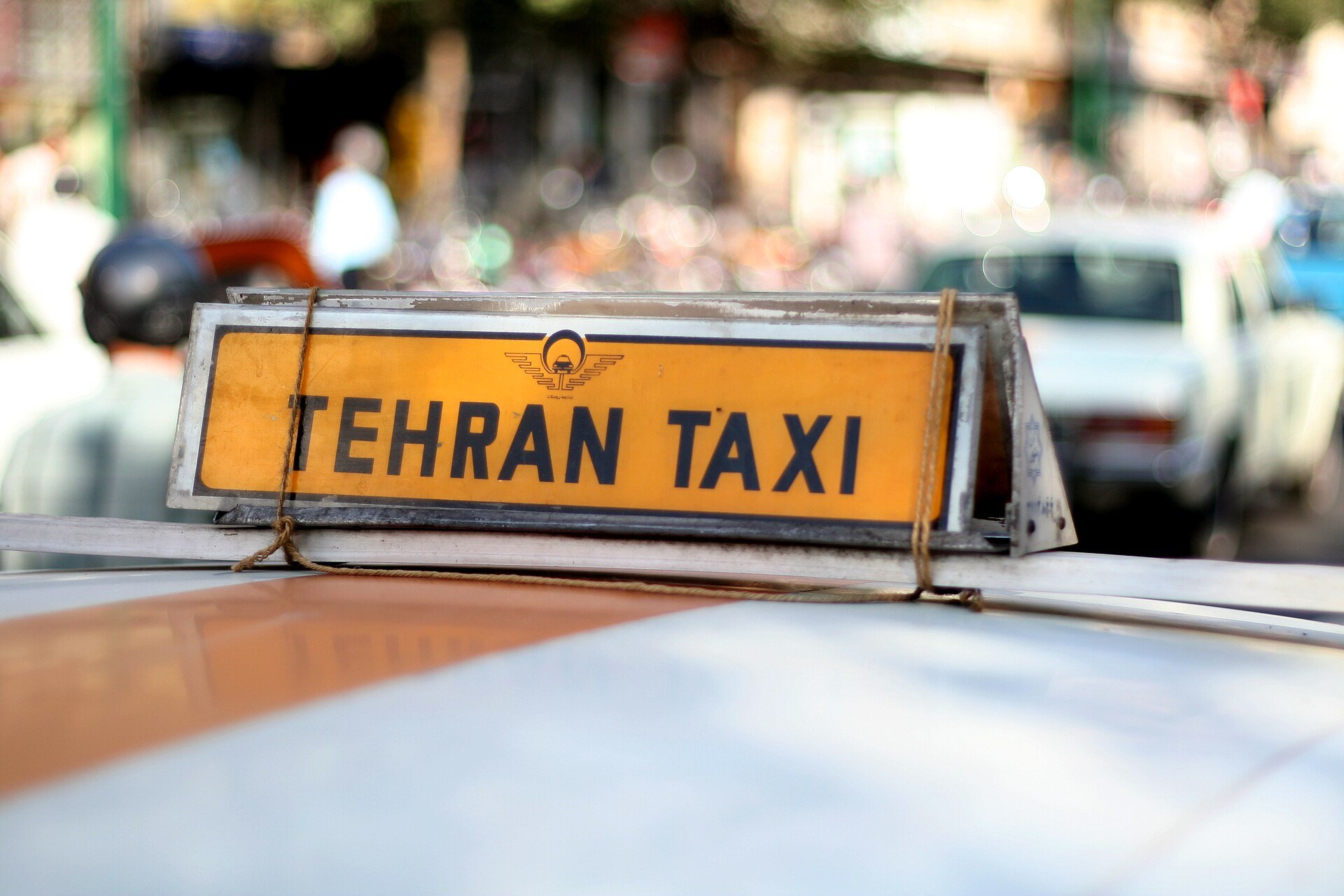
Taarof is Iran's ritual politeness. Hosts insist, guests refuse, and the dance can go on for a while. A taxi driver saying "be my guest" still expects payment; an invitation to dinner may be a pleasantry. Refuse politely twice — if the offer is repeated a third time, it is probably real.
Everyday etiquette
- Take your shoes off when entering a home, and in many traditional guesthouses.
- Use your right hand to give and receive things.
- Handshakes between men and women: wait for the other person to offer a hand.
- Ask before photographing people, and never photograph military or government buildings.
- The thumbs-up gesture is rude in traditional settings.
Weekend and Ramadan
The Iranian weekend is Friday (Thursday afternoon is half-off). Many shops and offices close on Friday, and bazaars are quiet. During Ramadan, avoid eating, drinking and smoking in public during daylight; hostels and tourist restaurants still serve food indoors.
Alcohol
Alcohol is illegal in Iran. Don't bring any — not even duty-free — into the country.
Questions & answers
Ask anything about this topic — our team answers here.
No questions yet — be the first to ask.