A short history of Iran for travellers
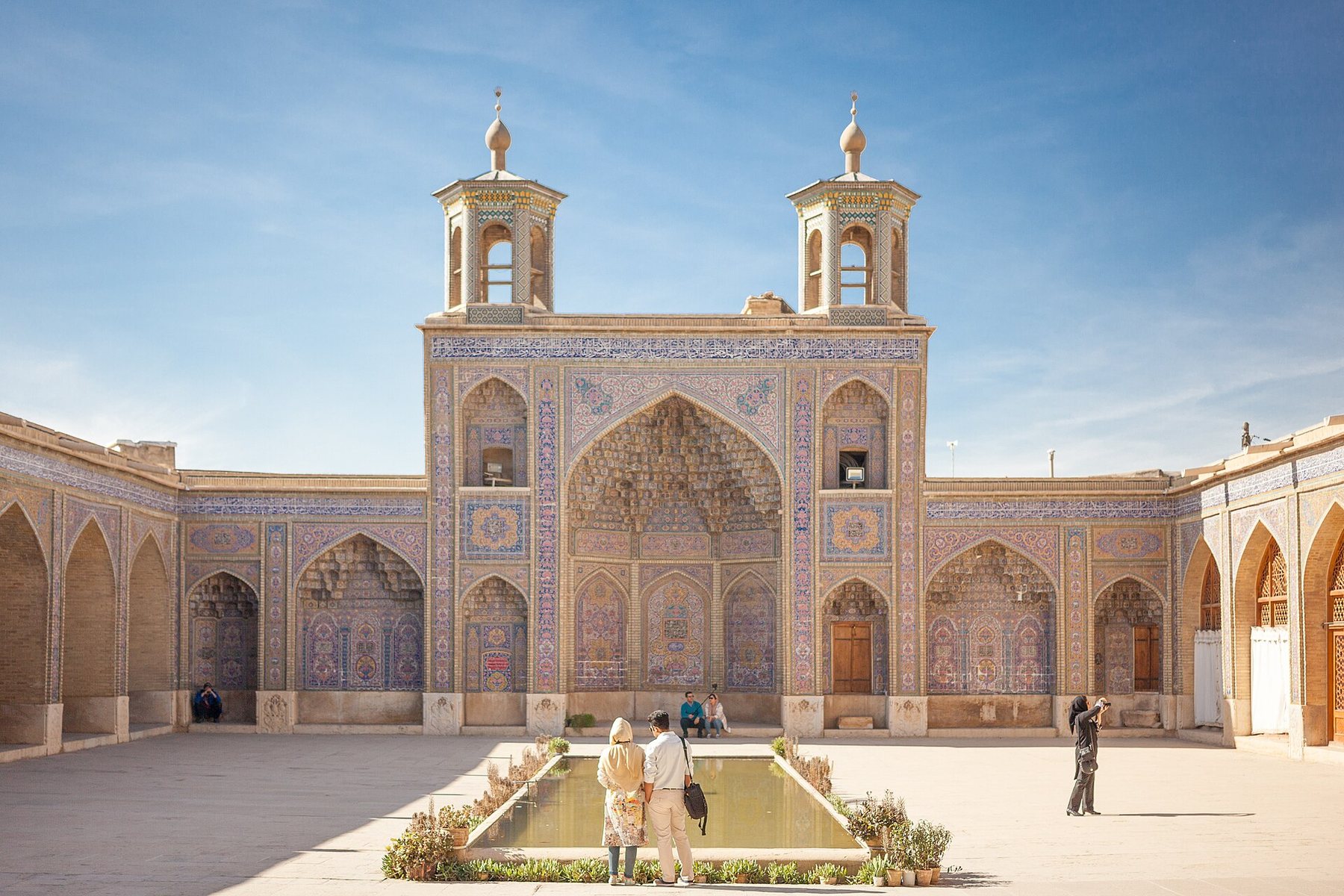
Iran is one of the world's oldest continuous civilisations. Knowing the big chapters makes every mosque, palace and ruin on your trip come alive.
Elam and the first cities (c. 3200–539 BC)
Long before the Persians, the Elamites built cities in the southwest. Their ziggurat at Chogha Zanbil, near Shushtar, is one of the best preserved in the world, and the old city of Susa lies close by.
The Achaemenid Empire (550–330 BC)
Cyrus the Great united the Medes and Persians and created the largest empire the world had seen, stretching from Egypt to India. His tomb stands at Pasargadae; Darius and Xerxes built the ceremonial capital of Persepolis, an hour from Shiraz. Hamedan, the ancient Ecbatana, was their summer capital. Alexander the Great ended the empire in 330 BC.
Parthians and Sasanians (247 BC – AD 651)
The Parthians fought Rome to a standstill; the Sasanians made Zoroastrianism the state religion and left rock reliefs at Naqsh-e Rostam and Taq-e Bostan (Kermanshah), and the hydraulic system of Shushtar, a UNESCO site. Zoroastrian fire temples and towers of silence can still be seen in Yazd.
Islam and the Persian renaissance (7th–15th century)
After the Arab conquest Iran became Muslim but kept its language and culture. Poets like Ferdowsi, Omar Khayyam, Rumi, Saadi and Hafez wrote in Persian — Hafez and Saadi are buried in Shiraz. The Seljuks built the great Friday Mosque of Isfahan; the Mongols and Timurids followed, leaving the dome of Soltaniyeh near Qazvin.
The Safavids (1501–1736)
The Safavids made Shia Islam the state religion and Shah Abbas I moved the capital to Isfahan, building Naqsh-e Jahan Square, its mosques, palaces and bridges. "Isfahan is half the world," people said.
Zand, Qajar and Pahlavi (1750–1979)
Karim Khan Zand ruled from Shiraz (the Vakil Bazaar and Citadel). The Qajars made Tehran the capital and built the Golestan Palace; their era also left the merchant houses of Kashan. In the 20th century the Pahlavi shahs modernised the country.
The Islamic Republic (1979–today)
The 1979 revolution created the Islamic Republic, followed by the long Iran–Iraq war (1980–88). Today Iran is a young, highly educated country of about 90 million people, proud of its history and famously welcoming to visitors.
Questions & answers
Ask anything about this topic — our team answers here.
No questions yet — be the first to ask.